Florida Officials Target Sweepstakes Casino Operators Through Dual Legal Actions
Geschrieben von Petra Frank · 24.8.2026

Florida Officials Target Sweepstakes Casino Operators Through Dual Legal Actions
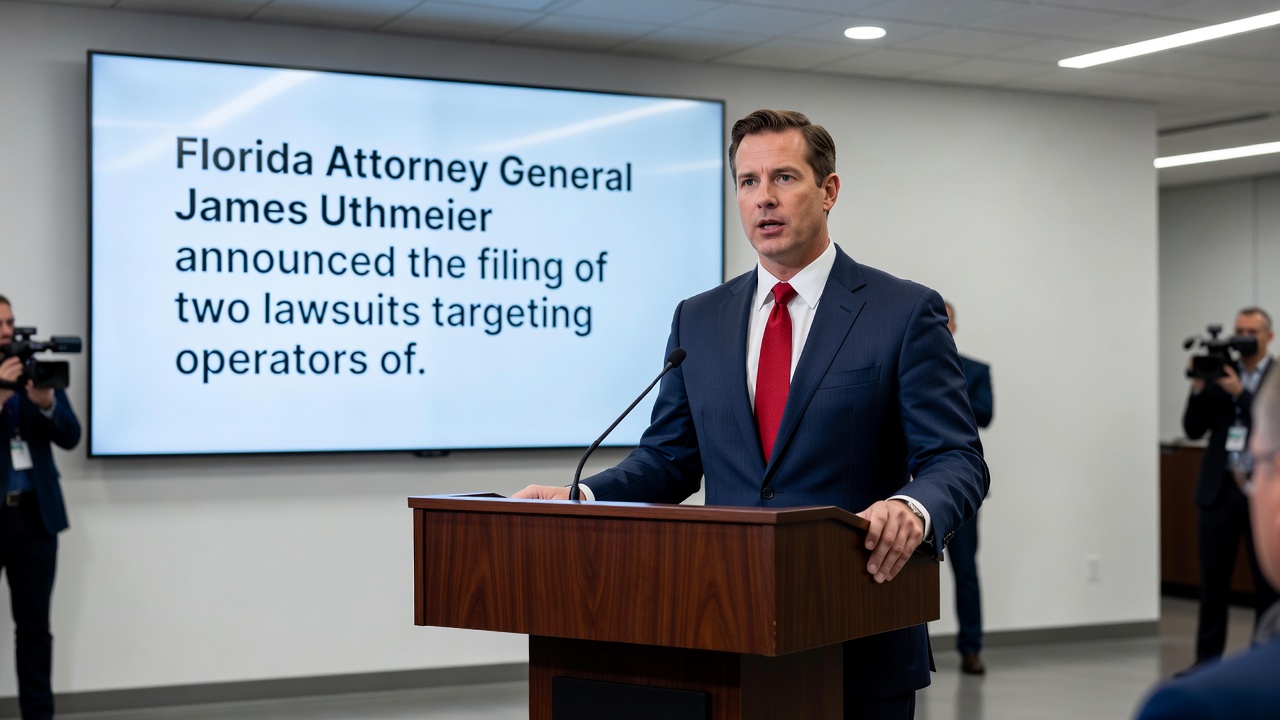
Florida Attorney General James Uthmeier announced the filing of two lawsuits that target operators of prominent sweepstakes casino platforms including Stake, VGW’s Chumba Casino, LuckyLand and Global Poker along with their associated payment processors, and the complaints describe these services as functioning like illegal online casinos in direct violation of state law.
The enforcement step arrives amid broader regulatory scrutiny of sweepstakes-style gaming models that rely on free-to-play mechanics paired with optional purchases, and officials maintain these arrangements cross into prohibited gambling territory under existing Florida statutes.
Details of the Filed Complaints
Each lawsuit outlines specific allegations that the named platforms accept real money wagers through virtual currency systems that deliver cash prizes, and the documents point to payment processors as essential participants that facilitate the flow of funds between players and the gaming sites. State records indicate the actions seek injunctive relief plus monetary penalties calibrated to the scale of alleged violations, while the complaints also request that courts order the immediate cessation of all operations directed at Florida residents.
According to the official release from the Attorney General’s office, investigators gathered evidence showing repeated instances where users deposited funds, engaged in games of chance and withdrew winnings, and this pattern forms the core of the claim that the sweepstakes label serves only as a thin disguise for conventional casino activity.
Platforms and Payment Processors Named
The suits identify four major consumer-facing brands together with several unnamed payment intermediaries that handle credit card transactions, e-wallet transfers and cryptocurrency deposits, and these entities appear in court filings as jointly responsible for sustaining the alleged unlawful enterprise. Observers note that Global Poker and LuckyLand operate under the VGW umbrella while Stake maintains separate ownership, yet all three entities face parallel accusations of targeting Florida users through aggressive marketing and unrestricted access.
Evidence presented in the complaints includes transaction logs, marketing materials and user testimonials that demonstrate consistent availability of the platforms to state residents, and the filings emphasize that no special licensing or regulatory approval exists for these operations within Florida borders.
Legal Framework and State Authority
Florida statutes prohibit unauthorized gambling operations that accept consideration for teh chance to win prizes, and the Attorney General’s team argues that the sweepstakes model meets every element of that definition despite the presence of a free-play option. The complaints further contend that payment processors knowingly enable the prohibited activity by processing deposits and withdrawals, thereby extending liability beyond the gaming companies themselves.
Those who have reviewed similar cases in other jurisdictions recognize that courts sometimes accept the sweepstakes defense when free credits remain genuinely viable, yet the Florida filings assert that the practical economics of the platforms make paid participation the dominant path to meaningful play and prize redemption. Data referenced in the documents shows high volumes of real-money transactions originating from Florida IP addresses over the past several years.
Broader Regulatory Context
State gaming regulators have increased attention on digital platforms that reach residents without obtaining proper licenses, and this latest action follows earlier warnings issued to operators about compliance expectations. The dual-suit strategy allows the Attorney General to address both the consumer-facing brands and the financial infrastructure that supports them in a coordinated manner.
Records from the Florida Gaming Control Commission confirm ongoing monitoring of online gambling trends, while the current complaints represent the most direct legal challenge yet mounted against the sweepstakes segment. Industry participants now face the task of responding to discovery requests and preparing arguments that distinguish their products from traditional casino offerings.
Conclusion
The two lawsuits filed by Attorney General James Uthmeier mark a significant escalation in Florida’s efforts to enforce gambling statutes against sweepstakes casino operators and their payment partners, and the proceedings will test long-standing legal distinctions between free-to-play promotions and prohibited wagering activities. Court records and official statements from the Attorney General’s office provide the primary sources detailing the allegations, and future rulings will clarify the boundaries for similar platforms operating nationwide.