Payment Innovations Reshaping How Vienna Residents Access Bonuses in Regulated Mobile Apps
Geschrieben von Petra Frank · 1.9.2026
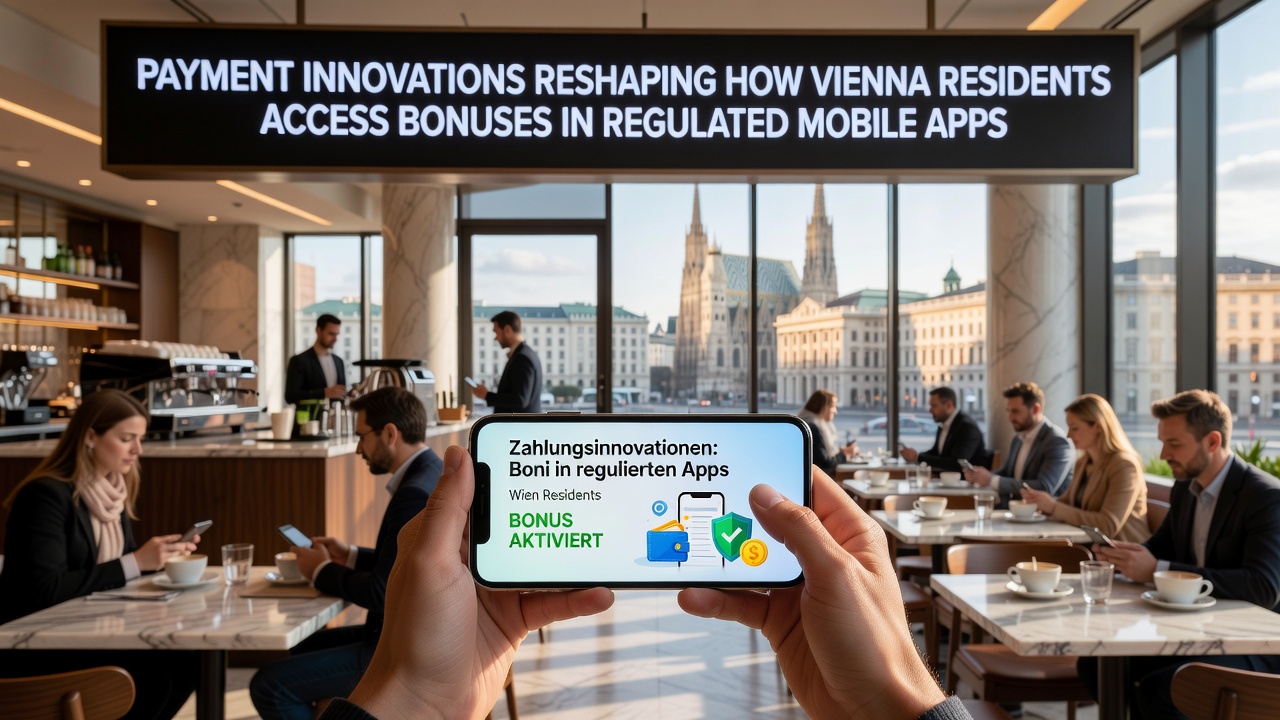
Payment Innovations Reshaping How Vienna Residents Access Bonuses in Regulated Mobile Apps
Payment systems in Austria have evolved rapidly over the past decade, and Vienna residents now interact with regulated mobile apps through methods that deliver bonuses with greater speed and fewer steps than traditional banking channels allowed. Data from the European Central Bank shows that instant payment volumes across the euro area grew by more than 60 percent between 2022 and 2025, while Austrian users adopted real-time transfers at rates above the EU average. These shifts affect how bonus offers appear, clear, and become available inside apps tied to banking, loyalty programs, and other regulated services.
From Bank Transfers to Instant Rails
Older systems required users in Vienna to initiate SEPA transfers that settled in one to two business days before any bonus could post, yet newer rails such as the Eurosystem’s TIPS platform settle in seconds. Observers note that this speed change lets regulated apps credit loyalty points, cashback, or promotional balances almost immediately after a qualifying transaction, and developers have adjusted their back-end rules to release funds once the payment confirmation arrives rather than after a settlement window closes. Austrian banks that participate in the scheme report higher engagement with bonus features because residents no longer wait to see rewards appear in their accounts.
Digital Wallets and Tokenized Cards
Tokenized debit and credit cards inside Apple Pay and Google Wallet have become common in Vienna, and several regulated apps now treat these tokens as distinct payment instruments for bonus qualification. Figures released by the Austrian National Bank indicate that contactless mobile payments accounted for roughly 45 percent of all card transactions in the country by mid-2025. App operators therefore redesigned bonus triggers around device-bound tokens, allowing residents to earn rewards when they pay with a specific phone or watch rather than a physical card. This approach also reduces fraud signals because the token contains dynamic cryptograms that change with each use.

Account-to-Account Verification and Open Banking
Open banking mandates under the revised Payment Services Directive have let residents connect their bank accounts directly to regulated mobile apps without entering card details, adn verification now happens through strong customer authentication that many apps complete in under ten seconds. Research published by the Bank for International Settlements highlights that such direct connections lower failed payment rates and speed up the moment when bonus eligibility is confirmed. In practice, Vienna users who link accounts through open banking interfaces see promotional credits appear on the same screen where they authorize the connection, removing the need for separate confirmation emails or manual code entry.
Regulatory Milestones Expected in September 2026
The European Commission has scheduled full enforcement of updated instant payment rules for September 2026, requiring all euro-area banks to offer 24/7 settlement at no extra cost to consumers. Austrian authorities have already begun testing the necessary infrastructure changes with major Vienna-based institutions, and app developers are preparing bonus systems that will operate continuously once the deadline passes. Those preparing for the change expect fewer weekend delays in bonus posting and greater consistency for residents who rely on round-the-clock access to promotional balances.
Security Layers That Support Faster Access
Biometric authentication and behavioral analytics now sit behind most bonus redemptions in regulated Austrian apps, allowing systems to approve transactions in milliseconds while still meeting the security standards set by the European Banking Authority. Reports from the Austrian Financial Market Authority show a decline in unauthorized payment attempts even as transaction speeds have increased, suggesting that the combination of device signals, location data, and usage patterns provides sufficient protection. Residents therefore encounter fewer interruptions when claiming bonuses because risk engines clear legitimate activity without manual review.
Cross-Border Elements for Vienna Users
Many regulated apps available to Vienna residents also serve users in neighboring countries, and payment innovations such as the European Payments Initiative’s unified wallet aim to standardize bonus access across borders. A study conducted by researchers at the University of Toronto’s Rotman School of Management examined similar cross-border frameworks in Canada and found that standardized rails reduced the time between payment and bonus credit by an average of 28 hours. Vienna app operators have cited these findings while adapting their own systems to handle multi-country user bases without creating separate bonus queues for Austrian residents.
Conclusion
Payment innovations continue to compress the interval between action and reward inside regulated mobile apps used by Vienna residents, and the regulatory calendar points to further acceleration after September 2026. Real-time settlement, tokenized instruments, open banking connections, and enhanced security together create an environment where bonuses post more reliably and with less friction than earlier methods permitted. Data from multiple European and international sources indicate that these technical and policy changes are already reshaping daily interactions with promotional features across the city’s regulated app ecosystem.