Regulatory Nuances Shaping Promotional Mechanics in Viennese Mobile Slot Ecosystems
Geschrieben von Devon Butler · 2.9.2026

Regulatory Nuances Shaping Promotional Mechanics in Viennese Mobile Slot Ecosystems
Regulatory frameworks in Vienna impose strict controls on how mobile slot operators design and deploy promotional offers, and these rules stem from a combination of national gambling statutes and broader European Union directives that govern digital services. Operators must navigate licensing requirements that limit bonus structures to prevent excessive player inducement while ensuring all promotional mechanics comply with transparency mandates around wagering conditions and eligibility criteria. Data from regulatory filings shows that approved promotions typically cap deposit matches at defined percentages and enforce minimum playthrough thresholds that align with consumer protection goals.
Austrian Legal Foundations Governing Mobile Promotions
The core legislation, including the Austrian Gambling Act, requires that any incentive offered through mobile applications undergoes pre-approval processes that evaluate fairness and potential for harm, and this applies equally to free spins, cashback schemes, and loyalty rewards common in slot ecosystems. Licensing authorities examine algorithmic parameters that determine bonus triggers to confirm they do not favor high-volume players disproportionately. Observers note that enforcement actions have increased since 2023, with fines levied against platforms that fail to display terms in clear, accessible formats on small-screen interfaces.
Geo-fencing technologies mandated for Vienna-based users add another layer, because promotions activate only within verified Austrian IP ranges and require ongoing location checks that integrate with age-verification protocols. Those who've analyzed compliance reports find that operators often adjust promotional calendars seasonally to match regulatory reporting cycles, which reduces the risk of mid-campaign adjustments ordered by oversight bodies.
Mobile-Specific Constraints on Bonus Delivery
Technical specifications unique to mobile environments shape how promotions function, since push notifications carrying bonus alerts must include mandatory disclaimers that cannot be dismissed without user acknowledgment. App stores enforce additional policies that mirror national rules, requiring developers to embed real-time spending trackers within promotional interfaces. Research indicates that these integrated tools have led to measurable declines in bonus redemption rates among users who receive frequent alerts, prompting operators to refine targeting algorithms accordingly.
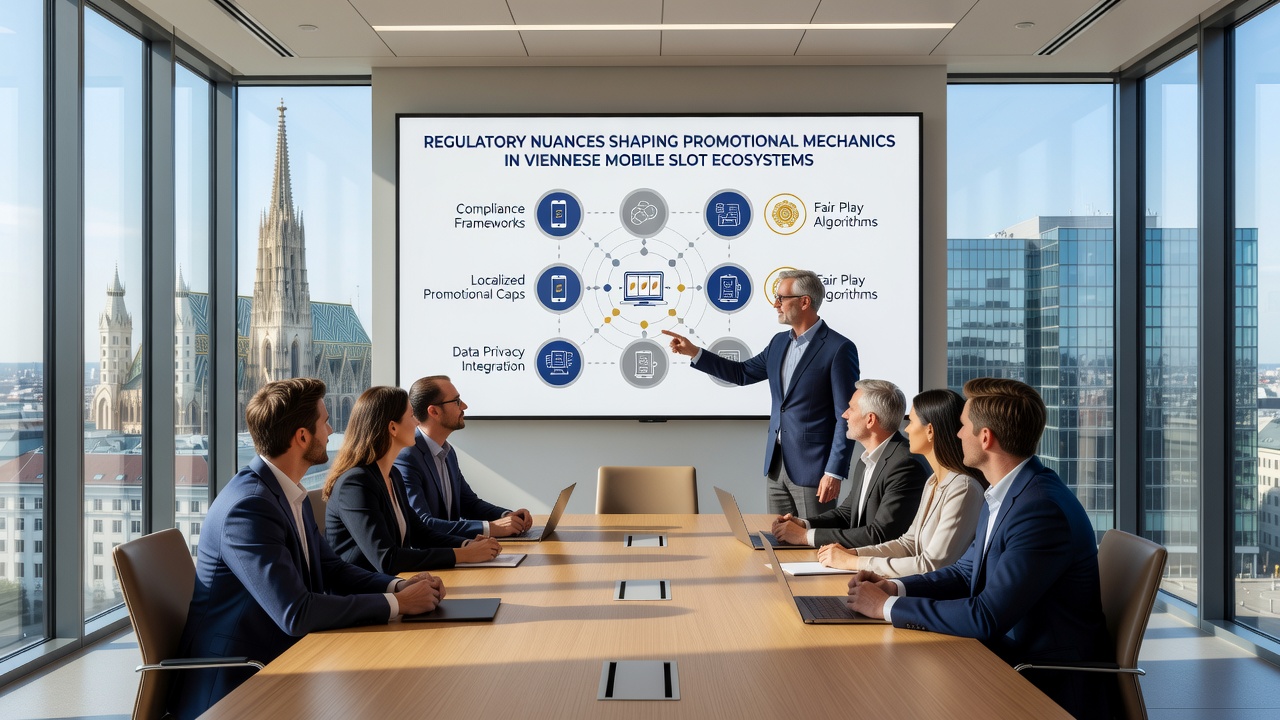
Session-based limitations further restrict mechanics such as progressive bonus ladders, because continuous play monitoring must pause or reset when regulatory thresholds for consecutive hours are reached. This creates design challenges for developers who aim to maintain engagement without breaching time-based safeguards embedded in the licensing conditions. Experts have observed that successful platforms incorporate modular bonus engines capable of dynamic reconfiguration when updates from the central regulatory database are pushed.
Developments Anticipated for September 2026
Amendments scheduled to take effect in September 2026 will introduce enhanced reporting obligations for promotional performance metrics, requiring operators to submit anonymized datasets on bonus uptake and associated player behavior patterns directly to oversight portals. These changes build on existing EU digital services rules and aim to standardize data formats across member states. According to European Commission analyses, such harmonization efforts seek to reduce cross-border discrepancies that currently allow some promotional tactics in one jurisdiction but not another.
Implementation timelines indicate that testing phases for updated compliance software will begin in early 2026, giving developers time to integrate new audit trails into existing mobile architectures. Figures from preliminary consultations reveal that smaller operators anticipate higher adaptation costs due to legacy systems that lack the flexibility required for granular data exports.
Comparative Perspectives from Other Regions
Lessons drawn from jurisdictions outside Europe highlight alternative approaches to regulating mobile slot incentives, and Australian research on digital gambling demonstrates how mandatory cooling-off periods attached to bonuses can influence redemption patterns without eliminating operator flexibility. Viennese regulators have referenced similar mechanisms during policy discussions, though local adaptations emphasize real-time verification rather than post-bonus restrictions. Comparative data shows that regions with unified national frameworks tend to achieve faster approval cycles for revised promotional mechanics than those relying on fragmented state-level oversight.
Conclusion
The interplay between Austrian statutes, EU directives, and mobile technical requirements continues to define the boundaries within which promotional mechanics operate in Viennese slot ecosystems. Operators that maintain adaptable systems while meeting September 2026 reporting standards position themselves to sustain compliant offerings amid evolving oversight. Ongoing monitoring by authorities ensures that these nuances remain central to industry practices, fostering environments where promotional tools serve both commercial and protective objectives.